

.jpg)
Investor Relations in the age of AI
The Oracle of Delphine

Twenty years ago, Delphine Cassidy stumbled into the world of investor relations by accident, guided only by her manager’s advice: “Don’t get the company into trouble.”
It was simple advice, but it stuck and would set the tone for a career built on curiosity and a sharp instinct for change.
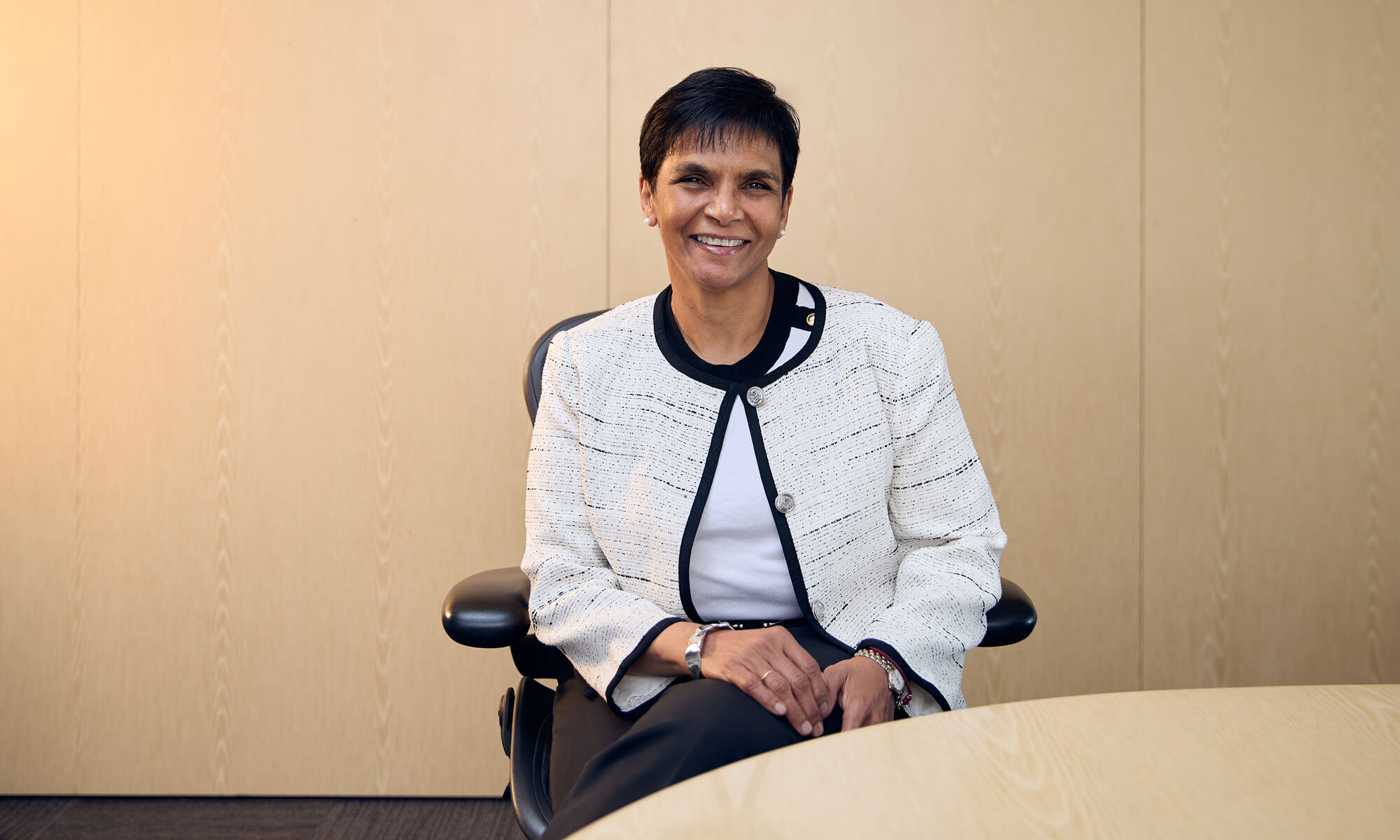
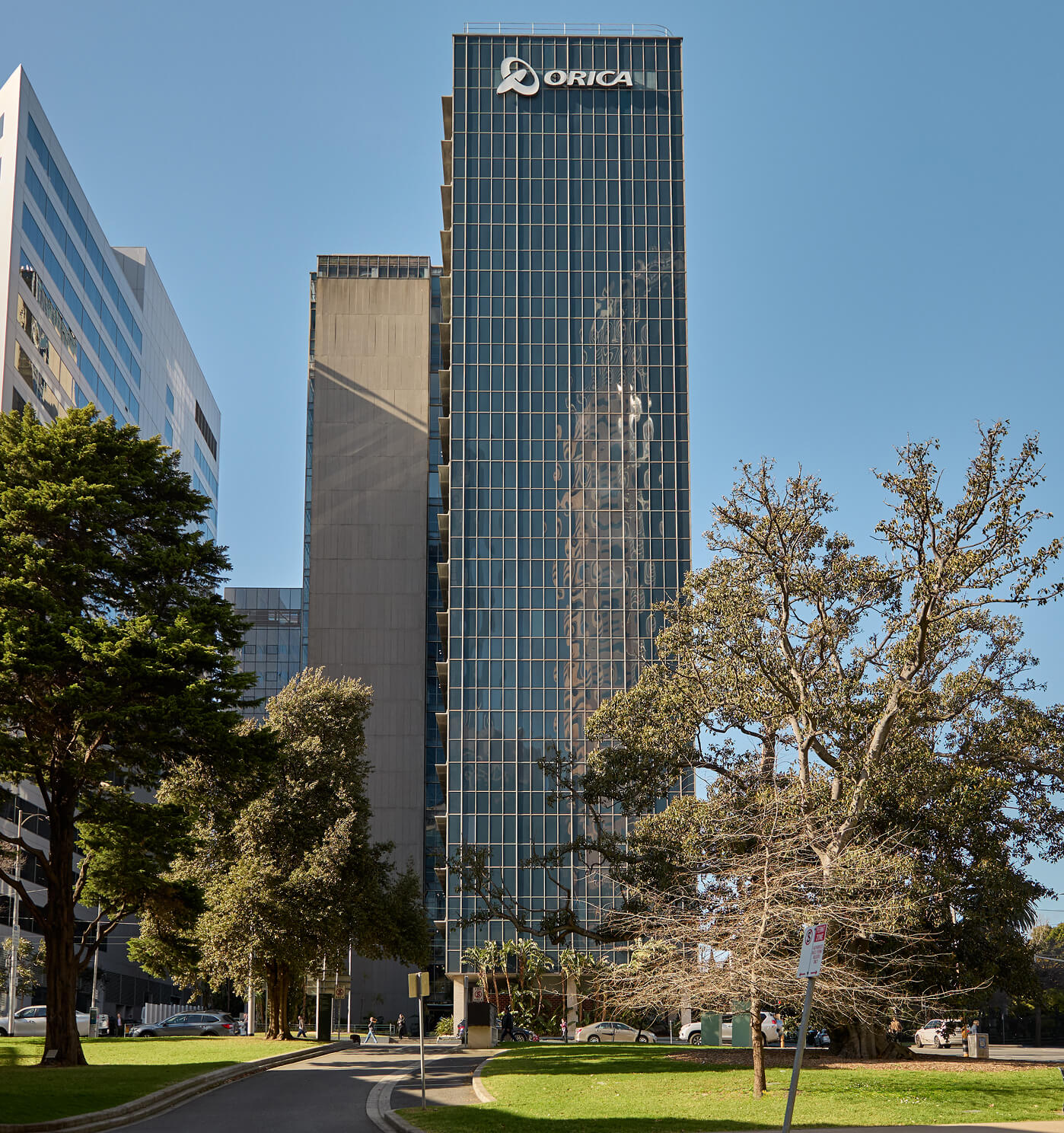
Today, Delphine is Chief Communications Officer at Orica, a global leader in mining and infrastructure solutions.
What began as a role rooted in numbers and relationships has evolved into something far more complex, with investor relations now shaped by regulatory scrutiny, algorithmic trading, and the rise of Exchange-Traded Funds (ETFs) and passive investing.
As the market becomes increasingly influenced by algorithms and artificial intelligence, Delphine's role is shifting again.
We sat down with her to discuss what happens when large language models start making decisions once made by humans, and how AI has forced her to reimagine what it means to be effective in her role.
You’ve had a front-row seat to some pretty big shifts in investor relations over the past two decades. From where you sit now, what are some of the biggest changes or blind spots you’re seeing in the industry? What should people be paying more attention to?
I
think we’re at a pivotal moment for the investor relations profession. There are a couple of significant challenges we’re facing, but the most notable is the rise of Exchange-Traded Funds (ETFs) and passive investing.
These types of funds are growing rapidly, and in many share registers, we’ve seen passive holdings go from around 15% to more than 30% in just a few years.
Why do you think that is?
Passive funds tend to outperform actively managed funds over time, and they’re cheaper to run. But they also behave very differently.
Because these funds trade based on algorithms and momentum, rather than human judgment, we don’t engage with them in the traditional way.
They’re driven entirely by data and screening metrics, not conversations.
Get every interview as it lands, once a month.
You can unsubscribe at any time. Read our Privacy Policy.
What other ways are algorithms having an impact?
Increasingly, fund managers and market analysts are utilising AI to process company data at lightning speed. They use these tools to review our Australian Securities Exchange (ASX) announcements and determine whether the announcement is positive or negative overall.
Anyone working in investor relations these days has to know what these algorithm-driven funds are actually measuring.
Often, within minutes of releasing Orica’s results to the ASX, these systems have already analysed the data and set the tone for how our stock performs.
We need to know what metrics they screen for, how they interpret results, and what might trigger a trade.
That doesn’t sound like an easy problem to solve. What’s been your approach to tackling it?
My approach is simple: if we can’t beat them, join them. As investor relations professionals, we have to start thinking like they do.
So, what have you done at Orica?
Rather than guessing how those tools might interpret our messaging, I asked our data scientists to build a version of the same sentiment analysis tools.
Before we release our results, I run them through this internal system to get a sense of how they’re likely to be received, not by people, but by algorithms.
Before we release our results, I run them through this internal system to get a sense of how they’re likely to be received, not by people, but by algorithms.

It’s easy to get caught up in our internal language and detail, but if a machine is making the call on tone and sentiment, we need to get as close to that perspective as possible. Without ever walking away from the facts or the truth. That balance is critical.
How do you see AI changing the profession?
It’s fast becoming a powerful productivity tool, and anyone working in investor relations needs to embrace it quickly.
But, and this is a big caveat, it’s not a replacement for human judgment.
The role is shifting. It’s no longer just about knowing the numbers or building relationships. The next generation of investor relations professionals needs to be tech-savvy, adaptable, and able to move quickly.
We must keep learning and adapting. The principles [of the role] stay the same, but the methods we use need to keep evolving.
